
Building a spec house means constructing a residential home without a pre-identified buyer, so the finished dwelling can be offered for sale on the open market once completed or while construction is underway. Instead of tailoring floor plans and finishes to the idiosyncratic taste of a specific homeowner from day one, you build on the expectation of broader market demand.
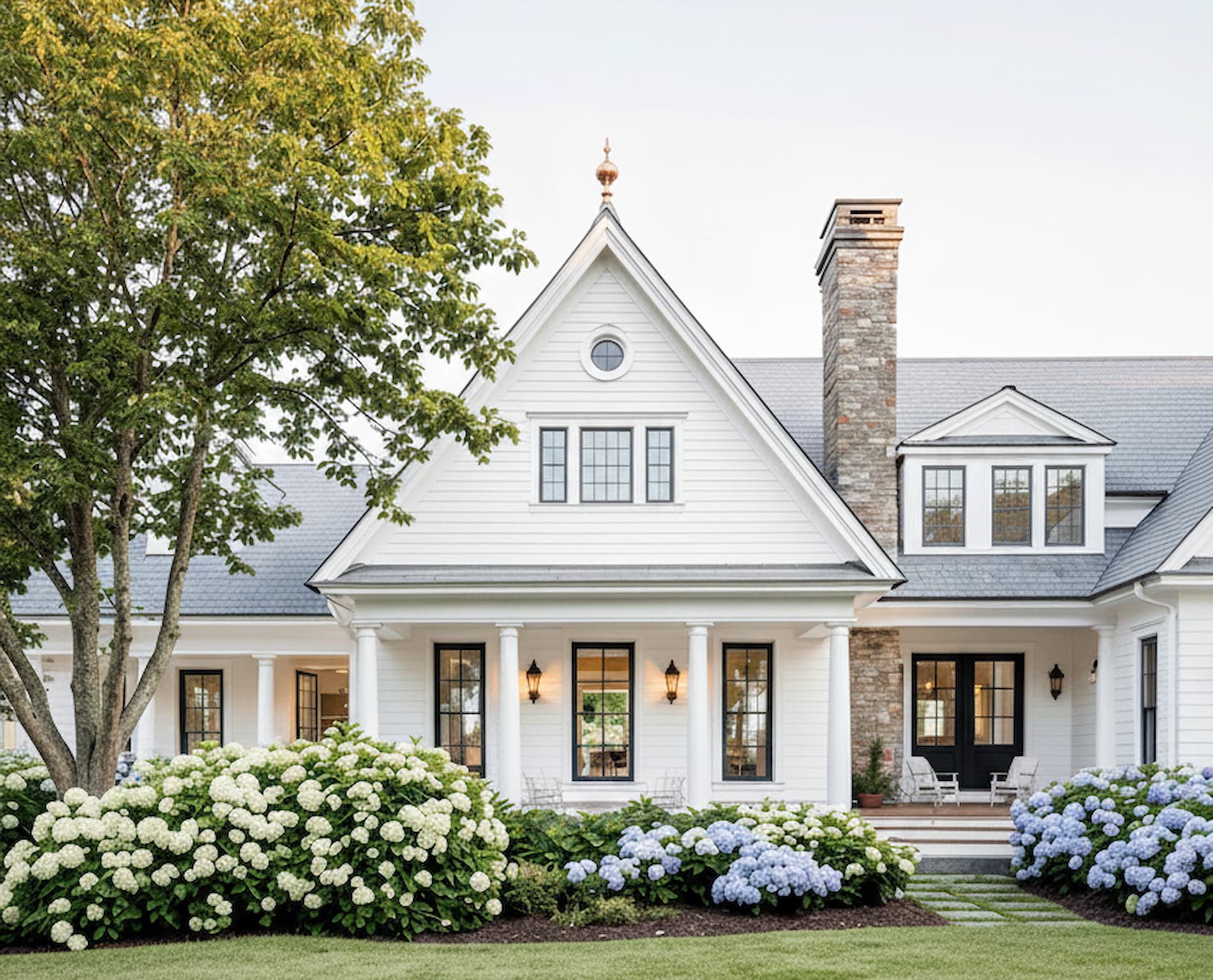
1. Understand What Building a Spec House Means
In simple terms, a speculative or "spec" home is a residential property built with the clear intention of selling it to an end purchaser after work is underway or finished. The word comes from speculation, which simply describes investing capital into real estate on the anticipation that buyers will want the finished product when it hits the market.
Because there is no homeowner under contract during the initial planning, the investor and builder determine the architectural style, room count, and interior finishes up front. The primary goal is creating a functional, attractive home that suits everyday buyers looking for a move-in-ready property in that community.
For a beginner, this distinction matters because it changes how decisions get made. On a project intended for a future buyer, you make finish choices based on broad neighborhood expectations and clear budgets rather than personal decorating preferences.
A practical next action is to drive through the surrounding neighborhood where your lot is situated. Look at recently completed homes to observe typical siding colors, porch styles, and general exterior looks that appear standard for that specific street.
2. Compare Spec Builds With Custom Homes
To evaluate whether this path makes sense for your land, it helps to look closely at how a spec build differs from traditional custom home building. In custom single-family construction, contracts cover building for a specific customer at a predetermined price on that owner's lot.
In a custom arrangement, that designated homeowner makes personal choices about almost every item, from specialty tile and cabinet layouts to specific plumbing fixtures. In contrast, building a spec house means taking on the design decisions yourself so the project moves along an organized timeline without waiting for individual client approvals.
Consider a hypothetical example where an owner holds a vacant residential parcel. In a custom scenario, the owner waits until a private family buys the land and signs a construction agreement to build their long-term dream home. In a speculative scenario, the owner partners with a builder right away to construct a popular, functional layout, placing the complete home on the market to attract a wider pool of prospective purchasers.
When the spec build reaches completion and a buyer steps forward, the legal conveyance can follow different contract paths. A spec home can be conveyed either with an explicit builder's warranty or as is without a warranty, depending on the agreed sales contract terms.
3. Define the Scope and Written Agreement
When building a spec house, use written agreements whether you own the land outright or are evaluating an acquisition. Construction contracts define the scope of work a contractor will perform, the completion timing, and payment requirements across the build schedule.
This contract structure matters because it establishes clear boundaries before construction begins. When payment milestones, labor expectations, and project timelines are put into writing, all parties share the exact same roadmap for how the project moves forward.
At Honor Made Homes, we view pre-construction clarity as the foundation of a smooth build. Decisions to make before building include defining the scope, specifications, finish level, site work, approvals, budget, and timing.
Before breaking ground, sit down with your building partner to review these core planning areas thoroughly:
- Scope and specifications: Define what work is included in the base package, the grade of interior and exterior finishes, and which minor choices remain open.
- Site work and approvals: Identify what property preparation and municipal approvals are needed, establishing clearly who is responsible for submitting each item.
- Budget and timing: Bring the house plan and material selections together into a defined construction budget before physical work begins.
4. Gather Property Details and Site Information
If you are considering building a spec house in Wilmington or surrounding coastal North Carolina communities, taking the first step does not require an exhaustive stack of drawings. We offer spec home construction and residential development for investors throughout this coastal region.
When you reach out to discuss a potential build, project discussions evaluate the property location, lot ownership, and available site information you already have. You do not need finished blueprints or complex site packages just to start a planning conversation.
This initial review matters because the physical characteristics of a lot directly influence which home plans make practical sense. Understanding ownership status, property lines, and basic utilities allows the builder to give you realistic feedback on what building on that parcel involves.
To prepare for an introductory discussion with a builder, you can gather a few basic items in advance to make the conversation as productive as possible:
- The property address or county tax parcel identification number.
- Confirmation of current ownership status or purchase contract details.
- Any existing boundary survey or property map you have on hand.
- Known utility information, such as whether public water and municipal sewer connections are available at the street.
5. Ask Questions Before Choosing a Builder
Choosing a construction partner is a major business decision when building a spec house. You want to work with a team that communicates openly, understands residential development, and provides dependable craftsmanship.
When hiring a builder, questions to ask include how long they have been in business, whether they have references of recent buyers, and whether they offer a warranty program.
These questions matter because a speculative build represents a major financial commitment. Learning about a builder's business background and post-completion warranty options gives you valuable context on how they stand behind their work and treat purchasers.
A useful next step is to schedule introductory phone calls with potential builders. Keep a written list of questions ready so you can compare their communication styles, standard practices, and background experience fairly:
- How long have you been actively building homes in this area?
- Can you share references from recent buyers or property owners who have worked with your team?
- Do you offer an established warranty program for the completed home, and what does it cover?
- What is your standard process for keeping project owners updated as construction progresses?
Further reading
- NAHB: spec homes, custom construction and project scope
- Honor Made Homes: investor builds
- NAHB: questions to ask your home builder
Evaluating a lot or a residential investment project in the Wilmington area? Contact Honor Made Homes to discuss your next steps.